FDS Analysis Services in Delhi for Fire and Smoke Modelling
In many cases, fire safety-related decisions need a more accurate idea of how the fire would progress and how the smoke and heat would behave within the enclosure. HyperCurve offers FDS service analysis in Delhi to assist the project team in analysing fire scenarios using computational fire modelling.
With the use of Fire Dynamics Simulator (FDS) , the modeling can help engineers, architects, and fire safety professionals assess the selected design conditions. The extent of modeling depends on the goals of the project and the specific questions that the simulation must address.
The FIRE DYNAMICS SIMULATOR (FDS) software is used for simulation of fluid dynamics driven by fire. FDS Analysis services in Delhi enable the project team to study the effect of factors like fire position, heat release rate, geometry of the room, ventilation and openings on the conditions inside the building or enclosed space.
The applicability of FDS models hinges on the data inputs, assumptions and configurations used. HyperCurve is the FDS service in Delhi that offers fire and smoke modelling solutions for particular projects through FDS consultants in Delhi who formulate the scope of modelling depending on the specific project needs. The outputs from the simulations are what the scenarios under study are and should therefore be interpreted within the context of the limitations of the model.
Core Services
Fire Scenario Assessment for Building Projects
Fire and smoke conditions can vary with building layout, ventilation, fuel properties and fire location. FDS modelling can help compare defined scenarios before design decisions are finalised.
Fire Development & Heat Transfer
Fire Behaviour Analysis
Examine the development of defined fire scenarios, heat release and temperature changes within the modelled enclosure.
Areas of Assessment
Fire growth and heat release analysis
Temperature distribution assessment
Thermal exposure modelling
Comparison of defined fire scenarios
Smoke Movement & Ventilation
Smoke Spread Modelling
Study predicted smoke movement and hot-gas transport under specified ventilation and opening conditions.
Areas of Assessment
Smoke propagation analysis
Natural ventilation assessment
Mechanical ventilation scenarios
Smoke extraction evaluation
Visibility & Occupant Conditions
Fire Safety Assessment
Review selected fire-related conditions in corridors, rooms and other relevant areas. Results depend on the model inputs and defined assessment criteria.
Areas of Assessment
Visibility assessment
Temperature at selected locations
Smoke conditions in escape routes
Outputs for evacuation modelling
Performance-Based Fire Safety
Engineering Review
Use documented simulation outputs to compare design options and support project-specific fire safety discussions.
Areas of Assessment
Alternative fire scenario comparison
Smoke management assessment
Ventilation configuration review
Technical reporting and limitations
Our Approach
Our Approach to FDS Modelling
A structured process helps define the scope, document modelling assumptions, review simulation outputs and communicate project-specific limitations.
01
Define Study Objectives
Identify the fire safety questions, areas of interest, scenarios and intended engineering use of the results.
02
Review Project Information
Review available drawings, dimensions, enclosure layouts, openings, ventilation details and fire scenario inputs.
03
Prepare the Computational Model
Develop the model geometry, computational mesh, boundary conditions and assumptions according to the agreed scope.
04
Configure Fire Scenarios
Set up agreed fire conditions and relevant parameters for each scenario being investigated.
05
Run & Review Simulations
Review predicted smoke movement, temperature patterns and other agreed simulation outputs.
06
Report Findings & Limitations
Document the methodology, assumptions, results, visualisations and limitations for engineering review.
Simulation Tools
Tools for Fire & Smoke Modelling
Software selection depends on the objectives, modelling workflow and expected outputs of each project.
Fire Dynamics Simulator (FDS)
Numerically models fire-driven flow, heat transfer and smoke transport for defined fire scenarios.
Smokeview
Visualises FDS simulation results, including smoke movement, temperature patterns and other available output data.
Pathfinder
Can be used separately for occupant movement and evacuation modelling when required by the project scope.
CFAST
Models compartment fire scenarios and estimates conditions such as smoke layer development and gas temperatures.
B-RISK
Supports fire risk assessment workflows for evaluating selected fire scenarios and their potential implications.
Applications
Where FDS Simulation Can Support Fire Safety Decisions
FDS modelling can support technical studies involving defined fire conditions, predicted smoke movement and heat distribution. Suitability depends on project data and the intended engineering use.
●Building design reviews
●Smoke movement assessment
●Ventilation configuration evaluation
●Industrial fire scenarios
●Commercial development reviews
●Alternative design comparisons
Industries & Project Environments
Commercial & Office Buildings
Study selected fire scenarios, smoke movement and temperature distribution in offices and commercial enclosures.
Residential Buildings
Examine defined fire scenarios and predicted smoke movement through rooms, corridors and connected areas.
Healthcare & Institutional Buildings
Review selected fire and smoke conditions in healthcare facilities and institutional environments.
Warehouses & Industrial Facilities
Model fire scenarios in industrial layouts and storage spaces based on available geometry and project inputs.
Transportation Facilities
Investigate smoke movement and ventilation conditions in railway stations, tunnels and other enclosed transportation spaces.
Public Assembly Buildings
Assess selected fire scenarios in auditoriums, educational buildings and other high-occupancy environments.
Project Insights
Fire & Smoke Simulation Case Studies
Explore selected HyperCurve project pages covering fire scenarios, smoke movement, temperature distribution and ventilation-related engineering questions.
Fire & Smoke Analysis
Railway Station Fire & Smoke Analysis
Explore fire-driven smoke movement and ventilation behaviour in railway stations and large-span buildings under defined fire scenarios.
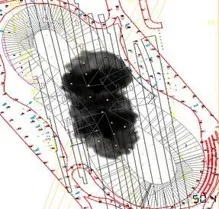
Review potential fire scenarios in industrial buildings and storage environments, focusing on predicted smoke propagation and temperature distribution.
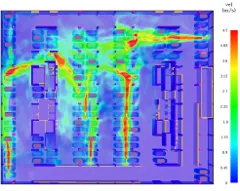
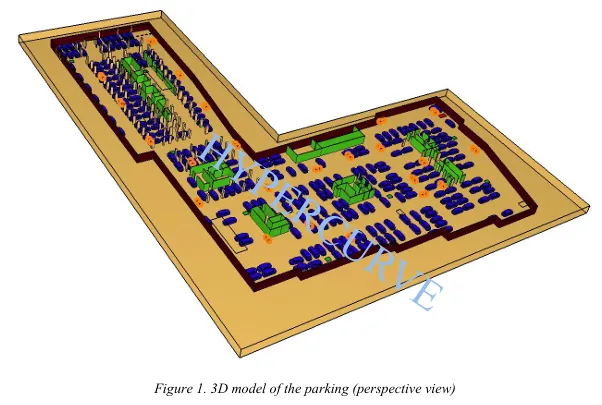
Review fire and smoke simulation outputs for an underground car park, including predicted smoke movement, temperature, visibility and airflow under defined scenarios.
Clear documentation helps project teams understand the modelling method, review predicted outcomes and recognise areas requiring further engineering investigation.
Model & Methodology
Documentation of the modelling approach, geometry, boundary conditions, scenario inputs and key assumptions.
Simulation Visualisations
Agreed visualisations of smoke movement, temperature distribution and other available simulation outputs.
Scenario Comparisons
Comparison of selected fire scenarios or ventilation arrangements where included in the agreed scope.
Findings & Limitations
A technical report describing the results, relevant observations, assumptions and limitations of the study.
Frequently Asked Questions About FDS Services in Delhi
Find answers to common questions about fire modelling, smoke movement, ventilation analysis, project information and engineering deliverables.
Fire Dynamics Simulator studies are used to model fire-induced airflow, heat transfer and smoke transport under defined conditions. The outputs can support engineering assessments and comparisons of selected design options.
FIRE & SMOKE ENGINEERING
Discuss your FDS simulation requirements with HyperCurve.
Share your building plans and project requirements to discuss fire scenario modelling, smoke movement, temperature analysis and technical deliverables for your project.