FIRE & SMOKE SIMULATION · HYPERCURVE

FDS Analysis Services in India for Safer Building Design

HyperCurve provides FDS Analysis Services in India, helping evaluate fire behaviour, smoke movement, heat release, temperature distribution, and evacuation conditions. As experienced fire safety consultants, we use Fire Dynamics Simulator (FDS) to deliver reliable simulation services that help engineers, architects, and fire safety professionals analyse fire scenarios and make informed decisions through data-driven insights and performance-based fire safety engineering.

Overview

What is FDS (Fire Dynamics Simulator) Used For?

Fire Dynamics Simulator (FDS) is a computational fluid dynamics (CFD) software developed to simulate fire-driven fluid flow, heat transfer, and smoke movement. HyperCurve provides FDS Fire & Smoke Analysis Services in India to help engineers evaluate fire hazards, assess smoke propagation, optimise ventilation systems, and improve building fire safety. Our FDS simulation approach supports fire scenario modelling, smoke extraction analysis, evacuation safety assessments, and fire protection system design across commercial buildings, residential complexes, basements, tunnels, and industrial facilities.

Fire & Smoke Simulation

FDS helps engineers predict fire development, heat release, temperature distribution, and smoke propagation under defined fire scenarios. Our FDS services in India support fire hazard assessment and help engineering teams understand how fire and smoke may affect occupants, structures, and building systems.
Smoke Ventilation & Extraction Analysis

FDS enables engineers to evaluate smoke movement and assess the performance of mechanical and natural smoke ventilation systems. With FDS simulation services in India, engineering teams can analyse smoke extraction fans, jet fans, ventilation openings, and smoke control strategies to improve visibility and support safer evacuation conditions.

Fire Safety Design & Occupant Safety

FDS analysis provides valuable insights into fire growth, smoke layer development, gas temperatures, and visibility within buildings. Experienced FDS consultants in India can help engineering teams evaluate critical escape routes, identify potential fire safety concerns, and support performance-based fire safety design.

Engineering Analysis & Fire Safety Optimisation

FDS supports the assessment of different fire scenarios and their potential impact on building safety. These insights help engineers refine smoke management strategies, evaluate ventilation performance, assess temperature exposure, and make informed decisions for fire protection systems in basements, high-rise buildings, tunnels, and industrial environments.

Core Services

How Does Fire Dynamics Simulation (FDS) Work to Analyse Fire Behaviour and Smoke Movement?

The Fire Dynamics Simulator (FDS) utilizes CFD to simulate the effects of fire on fluid flow, heat transfer, and smoke transport inside buildings and other enclosed areas. The simulation analysis is made possible using the FDS Analysis Services available in India. By using such services, the FDS consultants in India will be able to analyze fires, growth rates, temperature distribution, and visibility among others.

Fire Growth & Heat Transfer

Fire Behaviour Analysis

FDS simulates how a fire develops over time by analysing heat release, temperature changes, and interactions between fire and surrounding materials. This helps engineers understand potential fire conditions and evaluate their impact on building spaces.

Sub-services

  • Fire growth and heat release analysis
  • Temperature distribution assessment
  • Heat transfer and thermal exposure modelling
  • Fire scenario development

Smoke Movement & Ventilation

Smoke Spread Modelling

FDS predicts how smoke and hot gases move through indoor spaces due to buoyancy, airflow, and ventilation conditions. The results help engineers assess smoke control strategies and understand their influence on visibility and occupant safety.

Sub-services

  • Smoke movement and spread analysis
  • Natural and mechanical ventilation assessment
  • Smoke exhaust system evaluation
  • Visibility and temperature assessment

Evacuation Conditions & Tenability

Fire Safety and Evacuation Analysis

FDS simulation results can help evaluate conditions along potential evacuation routes, including temperature, visibility, and exposure to fire-related hazards. When combined with appropriate evacuation modelling, these findings support assessments of available safe egress time and occupant safety.

Sub-services

  • Visibility along escape routes
  • Temperature and heat exposure assessment
  • Smoke conditions in corridors and stairwells
  • Input data for evacuation modelling

Performance-Based Fire Safety Design

Engineering Assessment & Design Validation

FDS results provide engineering evidence for assessing fire safety measures under defined fire scenarios. Experienced FDS Consultants in India can interpret simulation outputs to help project teams evaluate design alternatives and develop performance-based fire safety strategies.

Sub-services

  • Performance-based fire safety assessment
  • Fire scenario comparison
  • Smoke management strategy evaluation
  • Technical reporting and design recommendations

Workflow

Our 6-Step FDS Simulation Process

Any credible FDS analysis always starts from the definition of a fire scenario and correct engineering parameters. The described six steps allow analyzing the behavior of fire and smoke as well as the safety of the situation to provide an FDS result.

01

Fire Scenario Definition

Define credible fire scenarios, heat release rates, fuel properties, and fire locations based on the building design and project requirements.

02

Geometry & Mesh Development

Develop the building geometry and computational mesh to represent the space accurately and capture fire growth and smoke movement.

03

Materials & Boundary Conditions

Define material properties, ventilation systems, HVAC conditions, openings, and other boundary conditions required for the simulation.

04

FDS Simulation & Visualization

Run the FDS model and analyse temperature distribution, smoke propagation, visibility, and gas concentrations over time.

05

Safety & Tenability Assessment

Evaluate relevant fire safety conditions, including temperature, visibility, and exposure along escape routes. Where required, compare available safe egress time (ASET) with required safe egress time (RSET).

06

Reporting & Engineering Review

Prepare a technical report documenting assumptions, fire scenarios, simulation results, limitations, and engineering recommendations to support project decisions.

Fire & Smoke Simulation Tools

Simulation Platforms We Use for Fire & Smoke Analysis

Different simulation tools help us study fire development, smoke behaviour, airflow patterns, and evacuation scenarios. Each platform serves a specific purpose in evaluating fire safety and understanding how different conditions may affect building occupants.

Fire Dynamics Simulator (FDS)

Models fire scenarios to examine heat release, temperature distribution, smoke spread, and fire-driven airflow within enclosed spaces.

Smokeview

Transforms simulation data into visual results, making it easier to examine smoke movement, temperature variations, airflow, and gas concentrations over time.

Pathfinder

Simulates how occupants move through buildings during evacuation, helping evaluate exit routes, movement patterns, and evacuation times.

CFAST

Analyzes compartment fire scenarios by estimating smoke layer development, gas temperatures, and conditions across connected rooms.

B-RISK

Supports quantitative fire risk assessment by examining multiple fire scenarios and evaluating how variations in fire conditions may influence safety outcomes.

Industries

Fire & Smoke Simulation for Different Building Types

Fire and smoke behaviour varies depending on building design, occupancy, ventilation, and fire hazards. Our FDS simulation services help assess smoke movement, temperature distribution, fire spread, and evacuation conditions across different types of buildings and facilities.

High-Rise & Commercial Buildings

Evaluate smoke migration, atrium smoke control, stairwell pressurization, and evacuation conditions in offices, shopping centres, and tall buildings.

Residential Buildings & Apartments

Analyze fire development, smoke spread between floors, corridor conditions, and escape routes to support residential fire safety planning.

Hospitals & Healthcare Facilities

Assess smoke containment, compartmentation strategies, and evacuation challenges for patients, staff, and occupants requiring additional assistance.

Industrial Buildings & Warehouses

Simulate fire scenarios involving large storage areas, industrial processes, combustible materials, and complex ventilation conditions.

Transportation Hubs & Tunnels

Study smoke movement, ventilation performance, and evacuation conditions in railway stations, road tunnels, airports, and underground facilities.

Public Assembly & Institutional Buildings

Evaluate fire and smoke scenarios in schools, universities, auditoriums, stadiums, and other high-occupancy spaces to support evacuation planning.

Project Insights

Fire Simulation Applications Across Different Industries

FDS modelling helps evaluate fire development, smoke movement, ventilation performance, and potential safety risks across industrial and commercial environments. Each simulation is designed around the building layout, fire scenario, and specific safety requirements.

Fire and smoke simulation in a railway station and large-span building

Fire & Smoke Analysis

Railway Stations & Large-Span Buildings

Evaluate fire-driven smoke movement and natural ventilation in railway stations, atriums, and large-span structures. Simulations help assess smoke layer development, visibility conditions, and available evacuation time under defined fire scenarios.

Key Highlights

  • •Smoke Layer Analysis
  • •Natural Ventilation
  • •ASET / RSET Assessment
Fire and smoke modelling for industrial facilities and warehouse safety

Industrial Fire Safety

Industrial Facilities & Warehouses

Model potential fire scenarios in manufacturing facilities, warehouses, and industrial storage areas to understand heat distribution, smoke propagation, and ventilation behaviour. Results support fire safety planning and the evaluation of mitigation measures.

Key Highlights

  • •Fire Spread Modelling
  • •Temperature Distribution
  • •Smoke Propagation Analysis
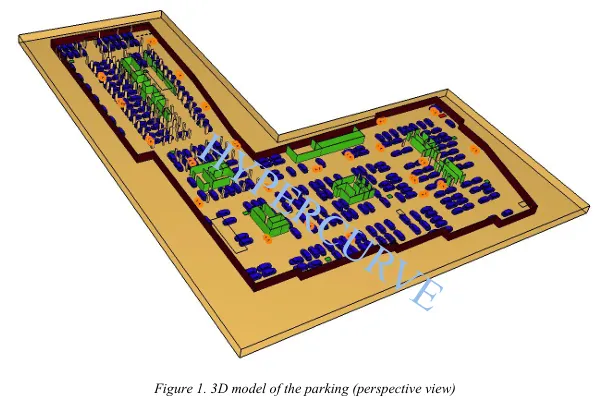
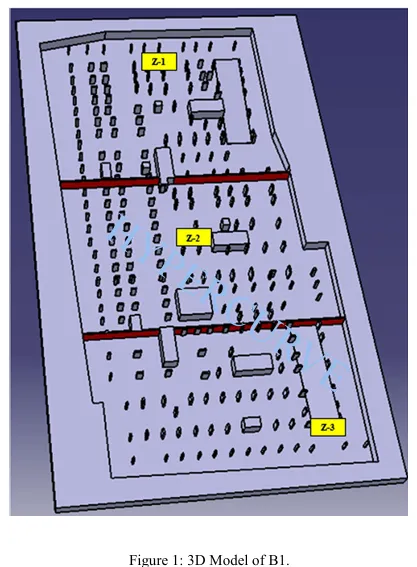
FDS fire and smoke simulation for basement car park fire safety analysis

Basement Fire Safety

Basement Car Park Fire & Smoke Analysis

Analyse fire-driven smoke movement and temperature distribution in enclosed basement car parks using Fire Dynamics Simulator (FDS). Simulations help evaluate smoke propagation, visibility, and ventilation performance under defined fire scenarios to support basement fire safety design.

Key Highlights

  • •Smoke Propagation Analysis
  • •Temperature & Visibility Assessment
  • •Mechanical Ventilation Performance
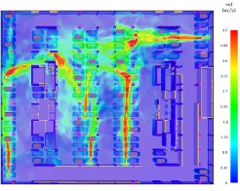
FDS fire and smoke simulation for an underground car park in Hyderabad

FDS Fire Safety Analysis

Underground Car Park Fire & Smoke Simulation

Fire and smoke analysis of the Riddhi Taranto underground car park in Hyderabad, covering two basement levels. The study examines fire-driven smoke movement, temperature distribution, visibility, airflow, and carbon monoxide concentration under defined ventilation scenarios.

Key Highlights

  • •Fire & Smoke Propagation
  • •Temperature & Visibility Analysis
  • •Underground Car Park Ventilation

Frequently Asked Questions About FDS Fire & Smoke Simulation

Find answers to common questions about fire modelling, smoke movement, ventilation analysis, and evacuation safety. Our FDS Analysis Services in India help address key project requirements through computational fire simulations and engineering assessments.

FDS Analysis Services in India include fire scenario modelling, smoke movement analysis, temperature distribution studies, ventilation assessment, and evaluation of fire safety conditions in buildings and industrial facilities.
FIRE & SMOKE ENGINEERING

Discuss your FDS simulation requirements with HyperCurve.

Share your building plans and project requirements to discuss fire scenario modelling, smoke movement, and fire safety assessment.

Get a Free Consultation →
Contact HyperCurve for engineering simulation services